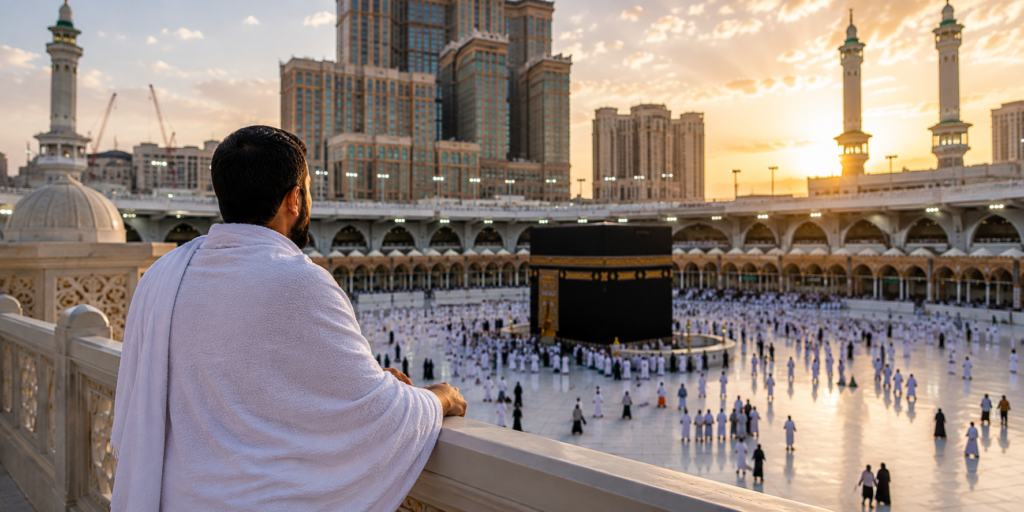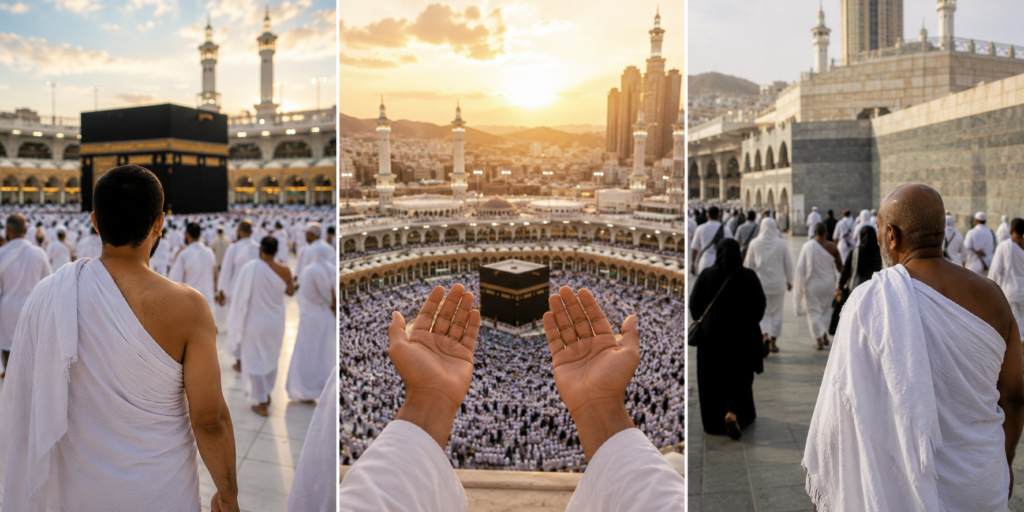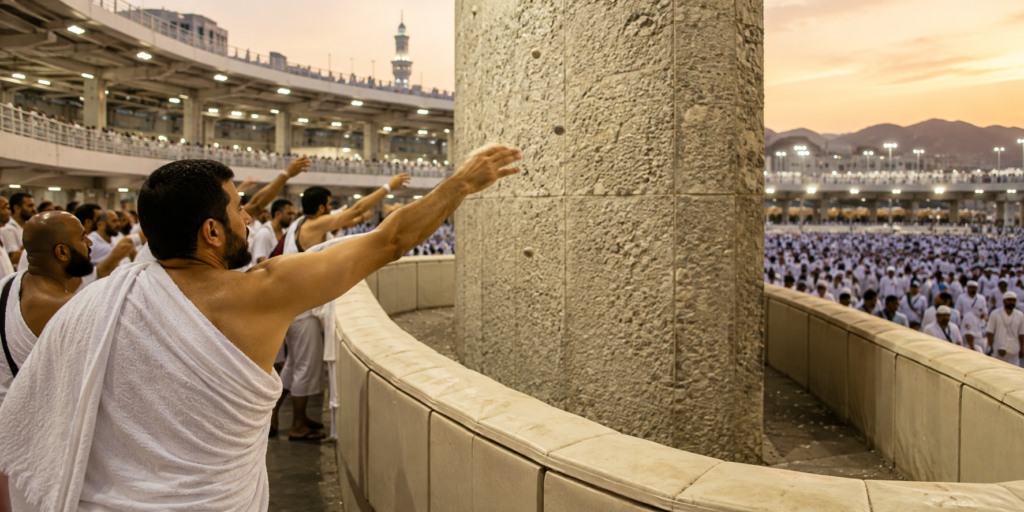
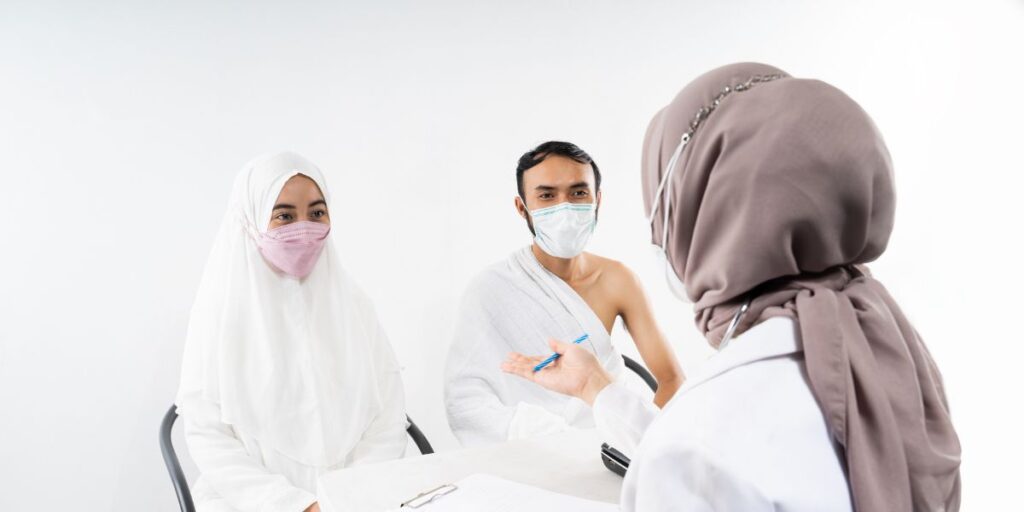
What if the biggest threat to your pilgrimage is not a delayed flight or a lost document, but your own body failing you in the middle of Tawaf? Every year, thousands of pilgrims arrive spiritually prepared but physically unprepared, and it costs them dearly.
The Prophet Muhammad (peace be upon him) said:
“Your body has a right over you.” (Sahih al-Bukhari, 1975).
Caring for your health before and during the pilgrimage is not separate from worship; it is part of it. This Hajj and Umrah health guide outlines the importance of physical well-being for pilgrimage in Islam. Let’s get into it!
Why Health Preparation Cannot Be an Afterthought
Hajj and Umrah are physically intense journeys. Pilgrims can walk up to 65 kilometers over the five days of Hajj, often in temperatures exceeding 40°C. Millions of people share the same spaces, breathe the same air, and touch the same surfaces.
Allah says in the Quran:
“Pilgrimage to this House is an obligation upon whoever is able.” (Surah Al-Imran, 3:97).
The word “able” speaks directly to physical readiness. Preparing your body is not optional; it is a condition of the obligation itself.
Before You Travel: What Every Pilgrim Must Do
Here are some essential Hajj and Umrah health tips you must know to stay safe and well throughout your journey:
Get a Medical Checkup Early
Book a pre-travel consultation with your doctor at least four to six weeks before departure. This is especially important if you have diabetes, hypertension, heart disease, or any respiratory condition. Carry a written health summary that includes your diagnoses, medications, and dosages. If you need emergency care abroad, this document could be the most important thing in your bag.
Complete Your Vaccinations on Time
Vaccinations are one of the most important health precautions pilgrims need to take before traveling, and Saudi authorities enforce them strictly. The Meningococcal Meningitis (ACYW) vaccine is mandatory for all pilgrims; it must be administered at least 10 days before arrival. A conjugate vaccine is valid for five years, while a polysaccharide vaccine covers only three. Make sure the word “conjugate” appears on your certificate to avoid validity issues at the border.
COVID-19 vaccination is also required for travelers aged 12 and above. Polio and Yellow Fever vaccines are required, depending on your country of origin. Beyond mandatory vaccines, update your routine immunizations and get the flu shot at least 15 days before you travel, particularly if you are elderly, pregnant, or managing a chronic illness.
Build Physical Strength Before You Go
The Prophet (peace be upon him) said:
“A strong believer is better and more beloved to Allah than a weak believer, while there is good in both.” (Sahih Muslim, 2664).
Start walking for 30 minutes daily, or exercising 4 times a week, at least a month before departure. Strong legs and good cardiovascular fitness will help you complete Tawaf, Sa’i, and the long walks between sacred sites without exhausting yourself in the first two days.
Pack a Smart First Aid Kit
Bring blister plasters, oral rehydration salts, antidiarrheal tablets, pain relievers, antihistamines, high-SPF sunscreen, antiseptic wipes, a thermometer, and all your prescription medications in original packaging. Pack more than you think you will need; delays happen, and running out of medication in Makkah is a stressful situation you want to avoid.
Not sure how to handle the logistics alongside all this health preparation? Three N Travel & Tourism LLC offers trusted Hajj & Umrah services in Dubai, managing visas, flights, accommodations, and on-the-ground support so you can focus on your spiritual journey. Get in touch today to learn more!
During the Pilgrimage: Daily Habits That Protect You
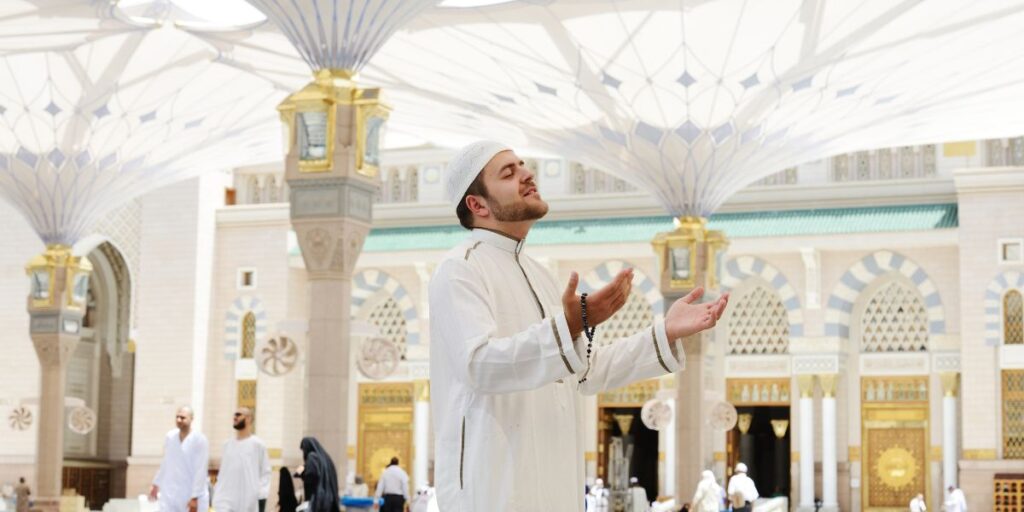
Staying healthy during Umrah and Hajj comes down to consistent daily habits. The good news is that they are simple and they work.
Heat and Hydration
The Arabian heat is one of the most common health issues during Hajj and Umrah that should never be underestimated. Daytime temperatures can reach 50°C in summer, and heat stroke can develop quickly in these conditions. Always carry an umbrella, wear loose, light-colored cotton clothing, and plan outdoor rituals for early morning or after sunset when temperatures are more manageable. Aim to consume around 10 to 12 glasses of water each day; do not wait until you are thirsty.
The Prophet (peace be upon him) said about Zamzam:
“It is food for the hungry and a cure for the sick.” (al-Mu’jam al-Kabir, 11011).
Drink it regularly and gratefully. Avoid caffeine-heavy drinks that worsen dehydration.
Respiratory Hygiene and Infection Control
Millions of pilgrims in proximity mean respiratory infections spread quickly.
The Prophet (peace be upon him) said:
“Cleanliness is half of faith.” (Sahih Muslim, 223).
Wash your hands frequently with soap and water, carry hand sanitizer, wear a mask in dense crowds, and use disposable tissues. Avoid sharing personal items like water bottles or utensils, and keep your distance from anyone visibly unwell.
Food Safety
Eat freshly cooked, hot food. Avoid anything left uncovered in the heat or stored without refrigeration. Clean fruits and vegetables properly with safe water before eating. Avoid raw meat, unpasteurized dairy, and camel’s milk. Stick to bottled or purified water throughout your stay.
Skin Care and Physical Comfort
Chafing and skin irritation are more common than most pilgrims expect. Apply a barrier cream to vulnerable areas like the inner thighs and underarms before long walks. Use baby powder after heavy sweating. Wear cotton clothing and reapply sunscreen every few hours on exposed skin.
Elderly Pilgrims and Chronic Conditions
Older pilgrims and those with heart, kidney, or respiratory conditions need extra care throughout the journey. Rest frequently, stay in cool spaces whenever possible, keep medications within easy reach, and never hesitate to visit the medical stations throughout the holy sites. Many Hajj rituals can be performed by proxy for those who are physically unable; there is no spiritual dishonor in using this provision.
After You Return: Do Not Drop Your Guard
Your health vigilance should continue for at least two weeks after you return home. Rest well, keep hydrating, and watch for fever, persistent cough, rash, or fatigue. Some infections take days to show symptoms. If you feel unwell, see a doctor immediately and share your travel history.
The Prophet (peace be upon him) said:
“Do not put a sick one with a healthy one.” (Sahih al-Bukhari, 5771).
Protect your family and community by taking post-return symptoms seriously.
Conclusion
A healthy pilgrim is a present pilgrim, fully engaged in worship, not distracted by illness or exhaustion. Following the right Hajj health tips as your preparation roadmap means arriving at the Kaaba with strength, focus, and gratitude. Caring for your body in preparation for this journey is itself an act of devotion. May Allah accept your pilgrimage and return you home in the best of health. Three N Travel & Tourism LLC is a dedicated provider of Hajj services from Dubai, offering customized packages, visa processing, hotel reservations, and full on-site support throughout your sacred journey. Contact our team today and travel with complete peace of mind!