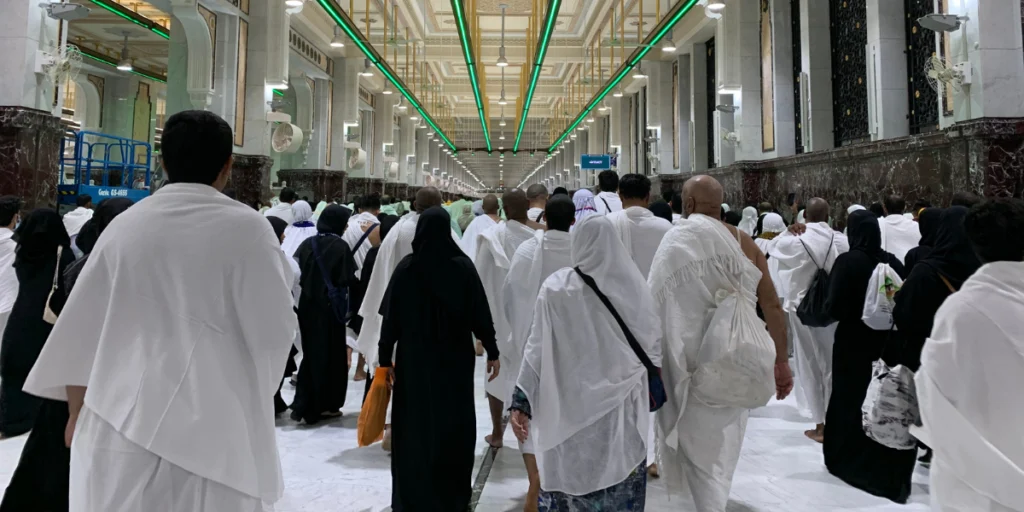


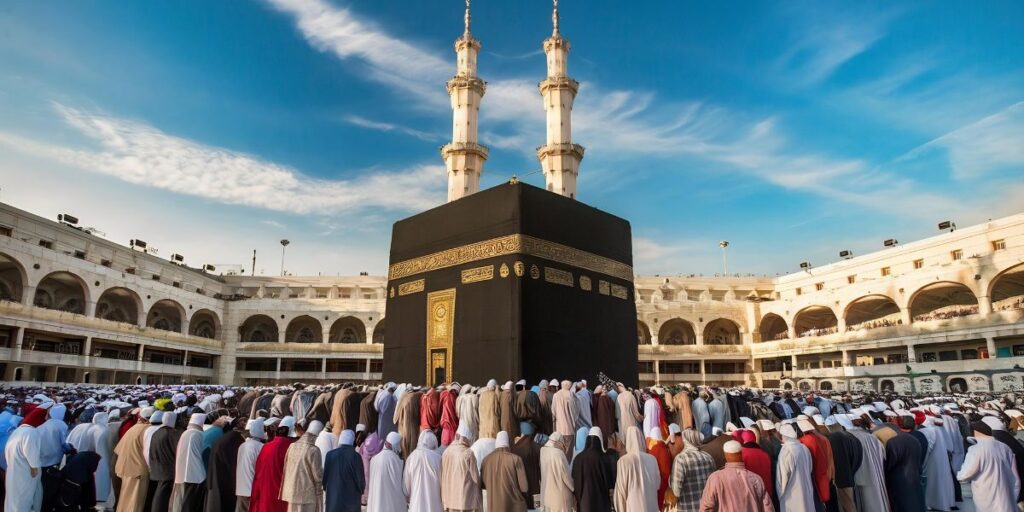
Hajj is built around specific acts honoring Prophet Ibrahim and his family. Each ritual carries meaning, history, and precise timing. Understanding hajj rituals transforms the pilgrimage from mechanical movements into conscious worship. It is spiritual, emotional, and sometimes overwhelming, especially when you are standing among millions of people, all moving with purpose. Many first-time pilgrims worry about missing a step or doing something incorrectly.
This Hajj guide for beginners will walk you through each ritual clearly in the right order, so you can focus on worship instead of confusion.
Understanding Hajj Rituals
For many believers, Hajj is more than a physical journey. It is a return to faith, sacrifice, and obedience rooted in the story of Prophet Ibrahim and his family. Truly understanding hajj rituals means recognizing that every action carries spiritual weight. Each movement reflects patience, submission, and trust in Allah.
When pilgrims grasp why they circle the Kaaba or walk between Safa and Marwah, every step connects intention with patience and obedience. The standing at Arafat mirrors humanity’s gathering before its Creator. The stoning represents rejecting temptation, following Ibrahim’s example. Knowing these layers helps pilgrims stay focused and spiritually present.
Performing Hajj Rituals: A Step-by-Step Guide
Hajj is a once-in-a-lifetime obligation for many Muslims, and careful planning makes a meaningful difference. Following a clear step-by-step guide helps pilgrims understand each ritual in sequence, maintain confidence during crowded days, and complete every act with clarity, discipline, and sincere devotion.
Preparing for Ihram and Making Intention
Preparation begins before reaching Makkah. Pilgrims enter the sacred state of Ihram at designated boundaries known as Miqat. Men wear two simple white unstitched cloths, while women wear modest clothing that follows Islamic guidelines. Grooming should be completed before entering this state, as certain actions become restricted afterward. Intention is declared clearly for Hajj, marking the official start of the pilgrimage. This moment reminds pilgrims that Hajj is performed solely for Allah, setting the tone for the days ahead.
Day 8 Dhul Hijjah: Arrival in Mina
On the eighth day of Dhul Hijjah, pilgrims travel to Mina. This day is quieter and spiritually reflective. Pilgrims spend their time in prayer, remembrance, and rest. Mina becomes a vast city of tents filled with believers united in worship. This early stage gives space for mental preparation before the most important day of Hajj. For anyone following a detailed Hajj guide for beginners, this day serves as a gentle introduction to the rhythm of the pilgrimage.
Day 9 Dhul Hijjah: Standing at Arafat
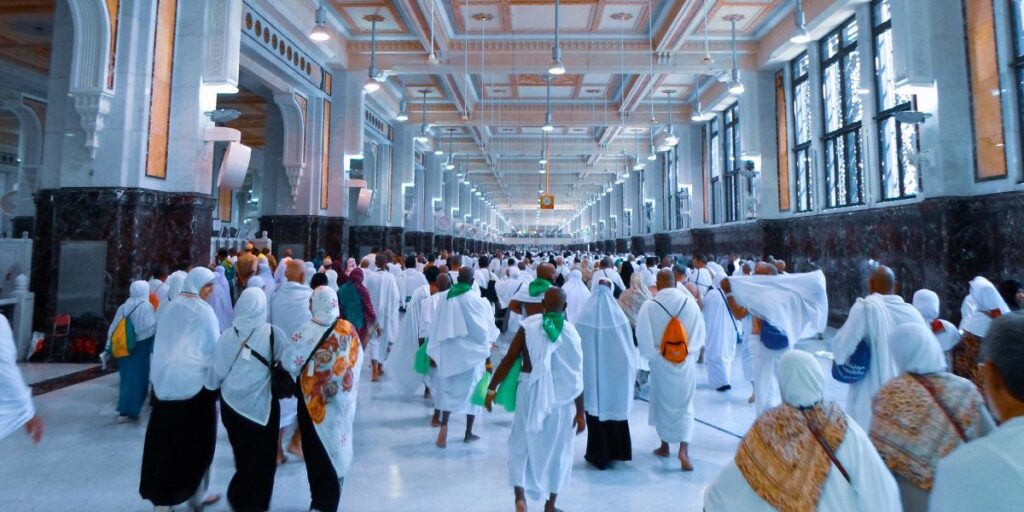
The ninth of Dhul Hijjah is the heart of Hajj. Pilgrims gather at the plain of Arafat and remain there in prayer and supplication until sunset. Standing at Arafat is compulsory. Missing it invalidates the pilgrimage. There is no fixed script, only sincere du’a, repentance, and reflection. This gathering symbolizes the Day of Judgment, when humanity will stand before Allah. Many scholars describe this day as the essence of pilgrimage essential rituals, as it represents humility, hope, and forgiveness on a massive scale.
Night of 9 Dhul Hijjah: Muzdalifah
After sunset, pilgrims move toward Muzdalifah. Maghrib and Isha prayers are offered together, and pilgrims rest under the open sky. Pebbles are collected for the stoning ritual that follows. The simplicity of Muzdalifah highlights equality among all believers. There are no distinctions of status or nationality, only shared devotion. This quiet night provides physical rest and spiritual grounding before the demanding acts of the next day.
Day 10 Dhul Hijjah: Stoning, Sacrifice and Release from Ihram
The tenth day is physically demanding. Pilgrims begin by throwing seven pebbles at the largest Jamarah in Mina. Each throw represents rejection of temptation and obedience to Allah. After stoning, an animal sacrifice is carried out. Men shave or trim their hair, and women cut a small portion. This marks partial release from Ihram restrictions. Crowd awareness and patience are important during this stage.
Days 11 and 12 Dhul Hijjah: Stoning the Three Jamarat
Pilgrims return to Mina for the following two days. Each day involves throwing seven pebbles at three pillars: the small, middle, and large Jamarat. The ritual symbolizes continued rejection of wrongdoing. Patience, spacing, and calm behavior are essential. Some pilgrims remain for an additional day, which is permissible but not required. For many first-time travelers relying on a detailed Hajj guide for beginners, these final days provide closure and reflection after intense spiritual experiences.
Tawaf and Sa’i in Makkah
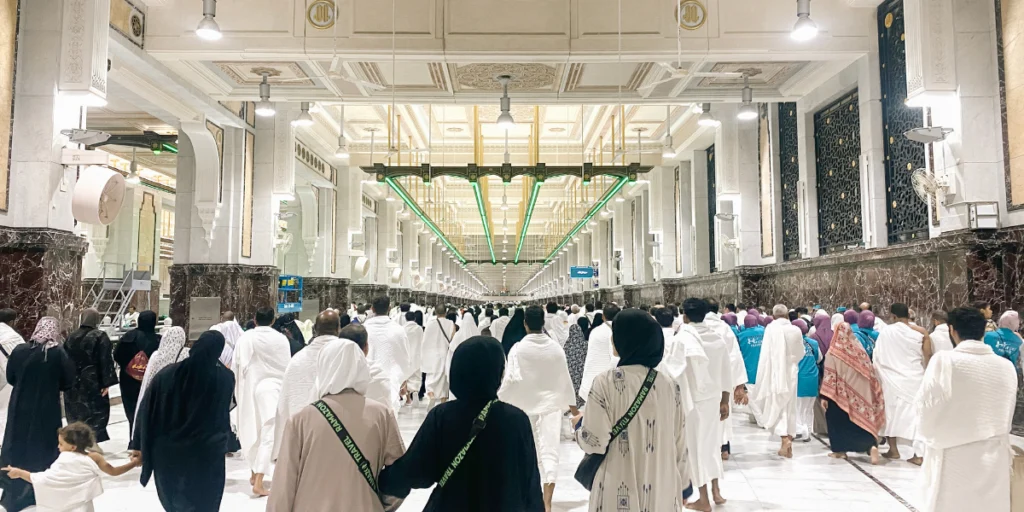
After completing the earlier rites, pilgrims return to Makkah for Tawaf and Sa’i. Tawaf consists of seven circles around the Kaaba, performed with focus and remembrance. Sa’i involves walking between Safa and Marwah, honoring the perseverance of Hajar, wife of Hazrat Ibrahim (A.S). These acts reconnect believers with the legacy of sacrifice and trust in Allah’s mercy. Scholars emphasize that these are essential pilgrimage rituals and must be completed with care and sincerity.
Begin your sacred journey with confidence and clarity. Three N Travel & Tourism LLC presents premium Hajj package from Dubai in 2026. Take the first step now and allow experienced professionals to support you throughout this life-changing journey.
How to Perform Hajj Correctly
Accuracy in rituals matters, yet intention and humility remain equally important. Pilgrims should study the sequence of acts in advance, stay patient in crowded areas, and seek guidance when unsure. True understanding of Hajj rituals develops through preparation, reflection, and consistent remembrance of Allah throughout the journey.
- Study authentic sources before departure so you clearly understand the order of rituals and their purpose.
- Stay close to your assigned group leader, especially during movement between Mina, Arafat, and Muzdalifah.
- Keep a small written schedule of the daily rites to avoid confusion.
- Maintain hydration, balanced meals, and adequate rest to support physical stamina.
- Ask scholars or experienced guides questions early instead of acting on assumption.
- Focus on sincerity in du’a and worship, remembering that intention defines acceptance.
Pilgrims who approach the journey with preparation and humility often feel more confident about how to perform Hajj correctly and experience fewer misunderstandings during critical moments.
Bottom Line
Hajj is not about perfection. It is about sincerity, patience, and intention. You may feel tired, confused, or emotional at times. That is part of the journey. Following the steps carefully helps ensure validity, but your heart is what gives Hajj its meaning. Trust the process, take care of your health, and focus on prayer. If you want experienced guidance and structured support for your journey, Three N Travel & Tourism LLC takes pride as the top Hajj travel agency in Dubai, helping first-time pilgrims feel prepared, informed, and supported from start to finish.