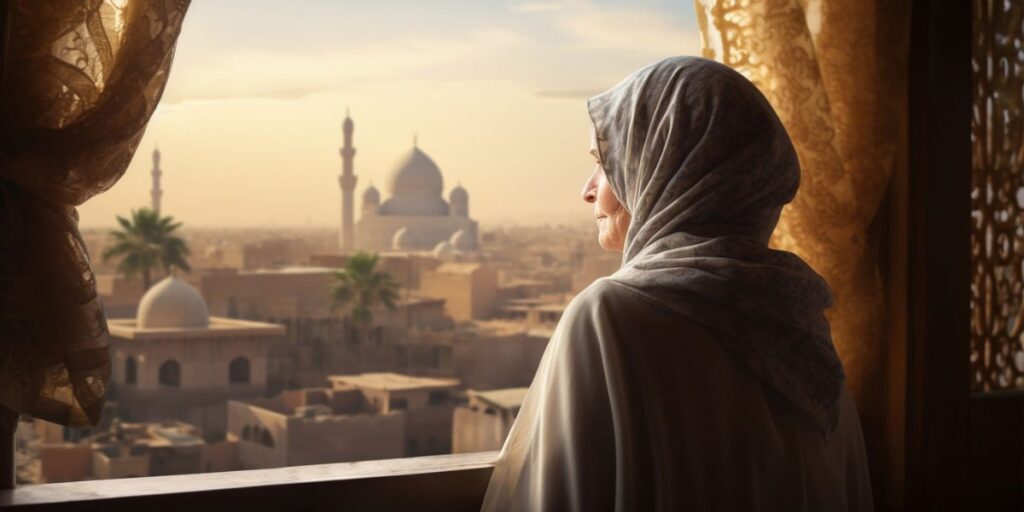
Performing Hajj is a transformative milestone, often described as the journey of a lifetime. For women, this sacred pilgrimage carries a unique set of reflections, from managing physical stamina in large crowds to navigating specific religious rulings.
Preparation is the bridge between a stressful trip and a spiritually fulfilling experience. Whether you are already looking into hajj packages for 2026 or are just beginning your research, this hajj guide for women will help you navigate the journey with grace and confidence.
Why Preparation Matters for Female Pilgrims
Hajj is physically demanding. You will walk long distances, wait in long queues, and spend days in the desert heat of Mina and Arafat. For women, preparation involves balancing modesty with comfort and ensuring that your health and hygiene are managed proactively.
By taking the time to plan, you aren’t just packing a suitcase; you are preparing your heart. A well-prepared pilgrim is a patient pilgrim, and “Sabr” (patience) is the most valuable item you can bring with you. This preparation starts with a solid foundation, which you can find in the Complete Umrah and Hajj Preparation Guide for Pilgrims.
Health and Fitness: Building Your Stamina
One of the most important hajj preparation tips for women is to start walking now. In 2026, the walking distances between camps and the Jamarat can be significant.
- Daily Walks: Months before your departure, start walking for 30–45 minutes daily. Build up your endurance so that the 5–10 kilometers you might walk in a day during Hajj don’t lead to exhaustion.
- Medical Check-up: Visit your doctor to discuss any chronic conditions. Ensure you have your vaccinations up to date, as these are required for your visa.
- Hydration: Practice drinking plenty of water daily. In the desert heat, dehydration happens quickly and can lead to dizziness.
Clothing and Comfort: The Women’s Ihram
Unlike men, who wear two unstitched white cloths, the Ihram for women is simply a state of ritual purity. There is no specific “uniform,” but there are rules to follow.
What to Wear
- Modest and Loose: Choose abayas or long dresses that are loose-fitting and made of breathable, natural fabrics like cotton or linen. Avoid synthetic materials that trap heat.
- Colors: While many women wear black or white, any plain, modest color is permissible. Avoid flashy patterns or heavy embroidery.
- Footwear: This is the most critical item. Bring shoes you have already “broken in.” Soft, supportive sandals with back straps are ideal. Avoid brand-new shoes, as they can cause painful blisters.
The Rules of Ihram
Once you enter the state of Ihram, you must not:
- Use scented soaps, perfumes, or lotions.
- Clip your nails or cut your hair.
- Wear gloves.
Safety and Security: Navigating the Crowds
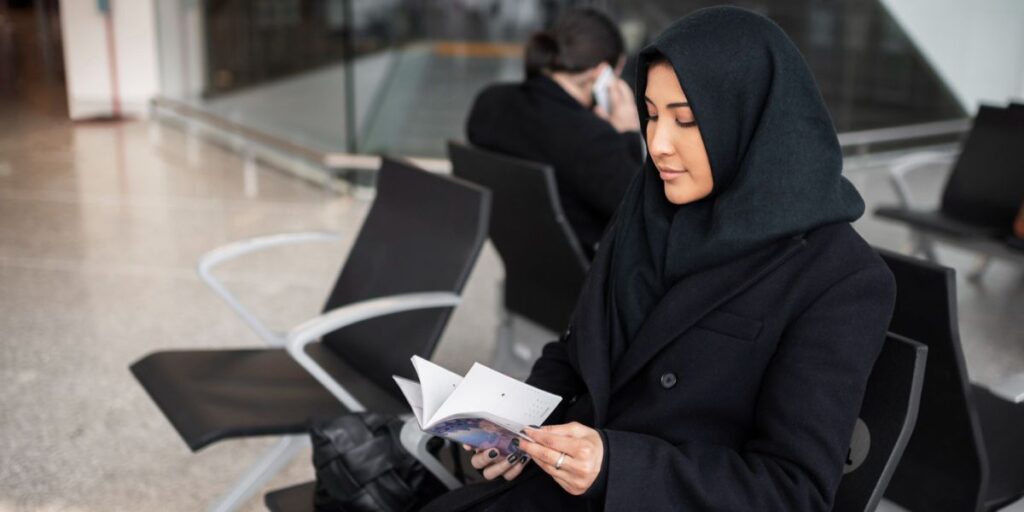
Staying safe is a top priority in our hajj travel tips for women. In 2026, the Saudi government has implemented advanced crowd management systems, but personal vigilance is still necessary.
- The Power of Groups: Always stay with your group. If you are traveling without a mahram, ensure you are part of a trusted female group.
- Identification: Keep your Nusuk card and a copy of your passport on you at all times.
- Safe Transport: Use official cab services during hajj or group buses. Avoid getting into unlicensed private vehicles.
- Crowd Safety: When performing Tawaf or heading to the Jamarat, try to stay on the edges of the crowd. If you feel a surge, move toward the exit rather than fighting against the flow.
Personal Care and Hygiene: Managing Your Cycle
Managing menstruation is a common concern in any hajj guide for women. It is a natural process, and there is no need to feel stressed.
Medical Options
Many women choose to consult their doctors to use medication that delays their period, ensuring they can complete all rituals, especially the Tawaf, without interruption.
If Your Period Starts
If your cycle begins during Hajj, remember the Prophet’s (PBUH) words to Aisha (RA): “Do everything a pilgrim does, except for Tawaf around the House.” You can still stay in Mina, go to Arafat, and make Dua. You simply delay your Tawaf until you are pure.
Female Pilgrims Hajj Checklist: Essential Packing
Use this checklist to ensure you have the basics covered for a safe and comfortable hajj for women:
- Documentation: Passport, Hajj visa, and vaccination certificates.
- Lightweight Abayas: At least 3–4 to allow for washing.
- Cotton Hijabs: Bring extras, as they get sweaty quickly.
- Health Kit: Painkillers, rehydration salts (ORS), unscented sunblock, and medications.
- Small Crossbody Bag: To keep your phone and money safe and close to your chest.
Spiritual Preparation: The Inner Journey
While the physical women preparing for hajj focus is on logistics, the spiritual preparation is what truly matters.
- Set Your Intentions: Remind yourself daily why you are going. This is a journey of forgiveness.
- Learn the Rituals: Don’t rely solely on your group leader. Study the steps of Hajj so you understand the significance of each act.
- Prepare Your Dua List: Write down the names of family and friends who have asked for prayers.
- Practice Patience: You will face delays. Someone might bump into you. A bus might be late. View every challenge as a way to earn more reward through your patience.
Common Challenges and Solutions
- Challenge: Getting lost from your group.
- Solution: Before leaving the hotel, take a photo of the hotel card. Set a meeting point with your group in case of separation.
- Challenge: Exhaustion during the long walk to the Jamarat.
- Solution: Pace yourself. Use a folding umbrella for shade and take small sips of water frequently.
- Challenge: Feeling overwhelmed by the sheer number of people.
- Solution: Close your eyes for a moment, focus on your Dhikr, and remember that every person there is your brother or sister in faith.
At Three N Travel & Tourism LLC, we have found that the most successful pilgrimages are those where logistics are handled early, allowing the heart to lead. By taking these small steps today, you ensure that your focus remains on the Divine throughout your journey.
Conclusion A Journey of Peace
Careful preparation is the key to a safe and comfortable hajj for women. By handling the logistics of your clothing, health, and travel early, you clear the way for a deeply spiritual experience.
Hajj is a time of immense blessing. With the right mindset and preparation, you will return home not just with stories of a journey, but with a heart that has been renewed and at peace.