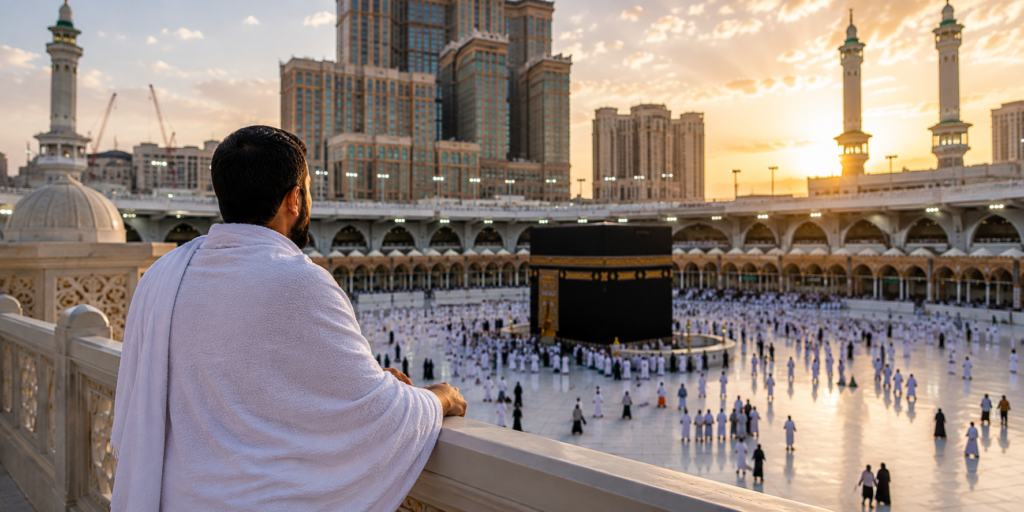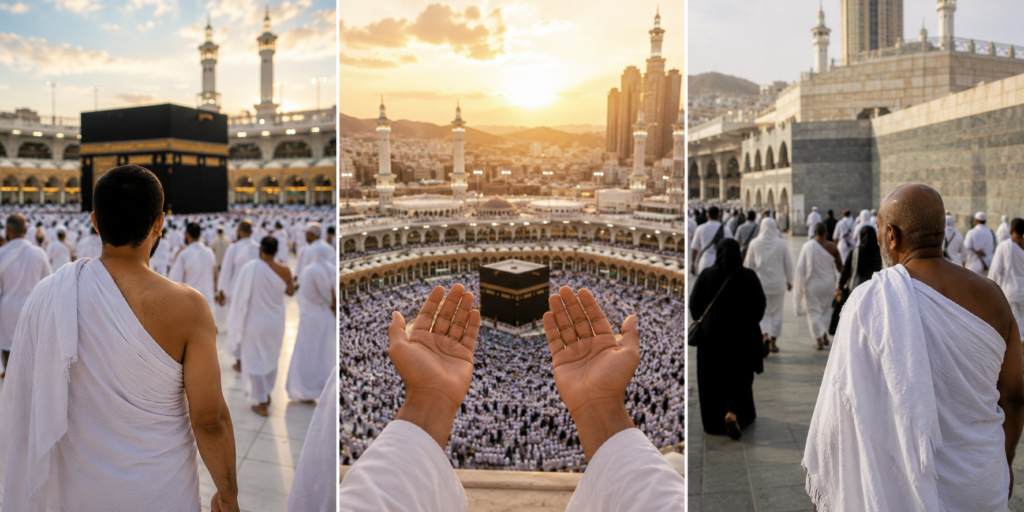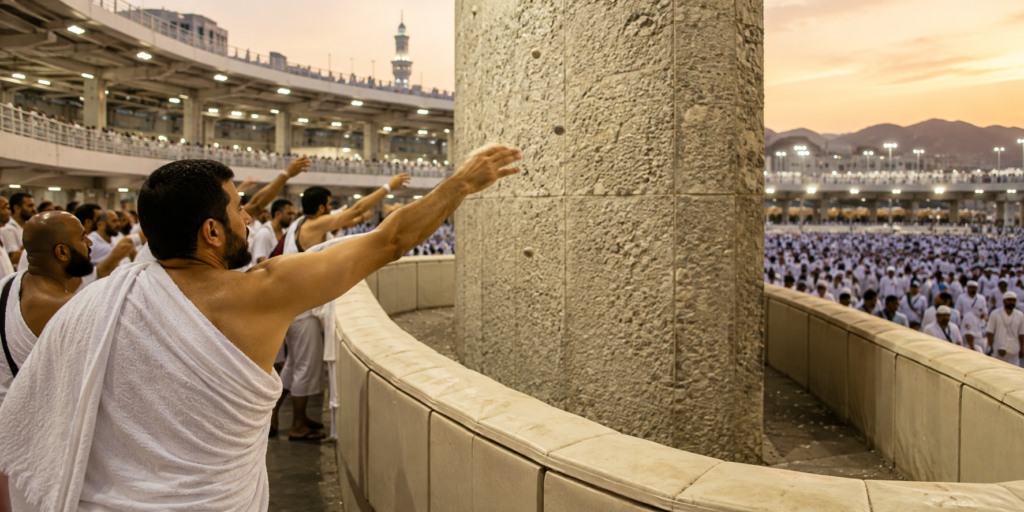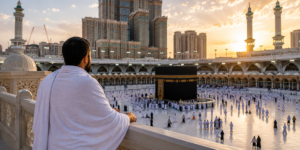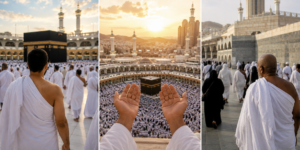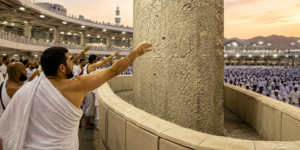


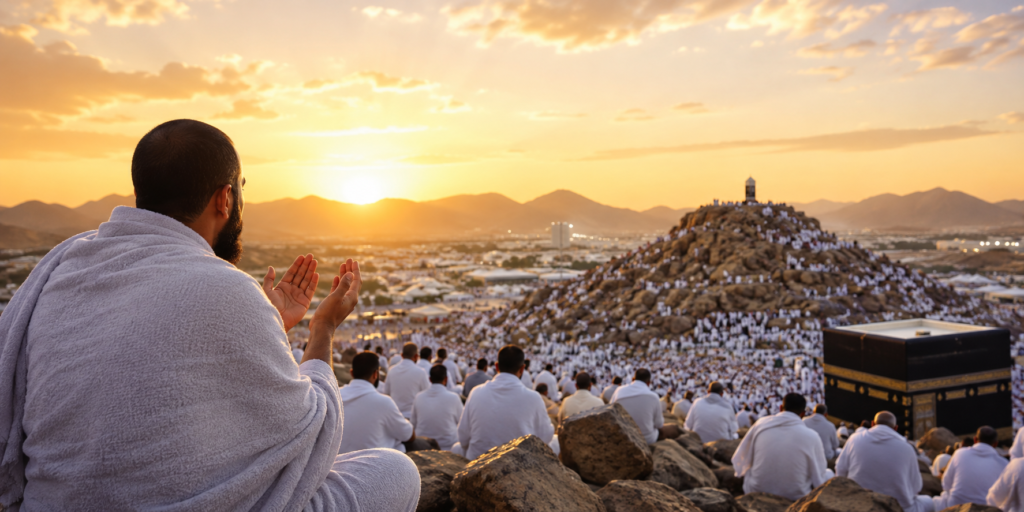
Once a year, the entire Muslim world seems to hold its breath at the same moment. Hearts turn toward Mount Arafat, hands rise together across time zones, and an ordinary afternoon becomes the most charged hours of the Islamic calendar. The Day of Arafah falls on the 9th of Dhul Hijjah, one day before Eid al-Adha, and it carries a pull that reaches far beyond the pilgrims standing on that dusty plain.
Understanding the significance of the day of Arafah helps explain why millions who are nowhere near Makkah still treat it as sacred. This blog looks at what shapes the day, the duas tied to it, and simple ways to observe it wherever you happen to be.
What Is the Day of Arafah?
Arafah takes its name from Mount Arafat, the plain near Makkah where pilgrims gather each year. It falls on the ninth of Dhul Hijjah, one day before Eid al-Adha, with the exact date shifting slightly by moon sighting. Pilgrims stand there in prayer from noon until sunset, and a well-known saying holds that Hajj is Arafah, since those few hours capture the heart of the pilgrimage.
Islamic teaching holds that Allah frees more people from sin on this day than on any other, turning the mood from heavy to hopeful for everyone taking part. Prophet Muhammad (Peace be upon Him) also delivered his Farewell Sermon at Arafat, a speech on justice and unity still quoted in khutbahs today.
What Happens on the Day of Arafah?
What people experience during this sacred occasion varies depending on where they are.
Pilgrims at the Plains of Arafat
Those performing Hajj leave Mina early and reach Arafat before noon. They spend the afternoon standing, sitting, and praying under the open sky with little shade. Prophet Muhammad (Peace be upon Him) did not fast on the day of Arafat, since Hajj already demands so much of the body.
Prayers From Noon to Sunset
The window from noon until sunset carries special weight for supplication. Pilgrims and people at home raise their hands, recite the Quran, and repeat words of remembrance. These hours mark the peak moment for dua all year.
Life for Muslims Away From Hajj
For Muslims not on pilgrimage, the day still calls for extra worship. People pray, read the Quran, give charity, and spend time in dhikr. It remains a day of reflection and gratitude for those away from Hajj, despite the distance from Makkah, through sincere acts of worship.
Extra prayers and dhikr at home carry real reward, but nothing replaces standing on the plain of Arafat yourself. Three N Travel & Tourism LLC is a Hajj and Umrah agency in Dubai that handles every step of your visa, flight, and hotel arrangements. Visit us now for a package that matches your budget and schedule!
The Benefits of Fasting on the Day of Arafah
This fast remains one of the most meaningful ways Muslims observe the day.
- Wipes away sins from the past year and the coming year for Muslims not performing Hajj.
- Counts among the fasts most cited in Hadith, given the size of the reward for a single day.
- Skips the Arafat pilgrimage, since they need full strength for hours of standing and prayer.
- Let Muslims who are away from Hajj share fully in the reward of the day, right from home.
- Pairs naturally with extra dua, dhikr, and charity for a fuller spiritual return.
- Sets a hopeful tone heading into Eid al-Adha the next day.
Best Duas to Recite on the Day of Arafah
A handful of duas can give you actual phrases to lean on when your own words run short during prayer.
| Dua (Transliteration) | Meaning |
| La ilaha illallahu wahdahu la sharika lah, lahul-mulk wa lahul-hamd, wa huwa ala kulli shai’in qadir(Sahih Al-Bukhari) | None has the right to be worshipped but Allah, the Alone Who has no partners; to Him belongs Dominion and to Him belong all the Praises, and He has power over all things (i.e. Omnipotent).(Narrated by Abu Huraira (May Allah be Pleased with Him)) |
| Rabbana atina fid-dunya hasanah wa fil-akhirati hasanah, wa qina athaban-nar(Surah Al-Baqarah) | Our Lord! Grant us the good of this world and the Hereafter, and protect us from the torment of the Fire.(Translated by Dr. Mustafa Khattab in The Clear Quran) |
| Allahumma inni as’aluka al-afwa wal-afiyah fid-dunya wal-akhirah(Sunan Ibn Majah) | O Allah, I ask You for forgiveness and well-being in this world and in the Hereafter.(Narrated by Ibn ‘Umar (May Allah be Pleased with Him)) |
| Astaghfirullah rabbi min kulli zambiyon wa atoobu ilaiyh(Derived from daily istighfar practiced by the Prophet (Peace be upon Him)) | I ask forgiveness of my sins from Allah, who is my Lord, and I turn towards Him.(Widely recited dua for Istighfar) |
Frequently Asked Questions
Is fasting on the Day of Arafah required?
No, it is not obligatory, but it is strongly recommended for Muslims not on Hajj that year. Scholars across the four major schools of thought agree on its reward. Skipping it means missing a highly generous single fast.
Should pilgrims at Hajj fast on this day?
Generally, no, since standing at Arafat all afternoon calls for extra strength. Prophet Muhammad (Peace be upon Him) himself did not fast while at Arafat during his own pilgrimage. The focus for pilgrims stays on dua, not fasting.
What is the best time for dua on this day?
The hours between Asr and Maghrib carry the greatest weight, though prayer is welcome at any point in the day. Some people set aside this stretch specifically for personal dua. Even a few quiet minutes during this window are considered valuable.
Can non-Muslims learn about this day?
Yes, the practice is specific to Islam, though anyone curious can learn about its place in Hajj. Understanding it can give useful context about a massive annual gathering. Some non-Muslims find the scale and unity of the day genuinely striking.
Does the Day of Arafah always fall on the same date?
No, since the Islamic calendar is lunar, the date shifts each year and is confirmed by moon sightings closer to Dhul Hijjah. This means the day can fall in a different season each year. Local Islamic authorities usually confirm the exact date only a few days in advance.
Final Thoughts
The Day of Arafah gives every Muslim, at home or at Hajj, a chance to pause and reset. Its place in the Islamic year, paired with forgiveness through fasting and dua, explains the deep significance of the Day of Arafah. Whichever way you mark it, the day rewards sincerity over performance.
If this day left you wanting more, standing at Arafat yourself is the natural next step. Three N Travel & Tourism LLC offers reliable 2027 Hajj packages in Dubai that let you focus on worship while every detail is taken care of. Book with us now for a seamless pilgrimage!