Skip to content
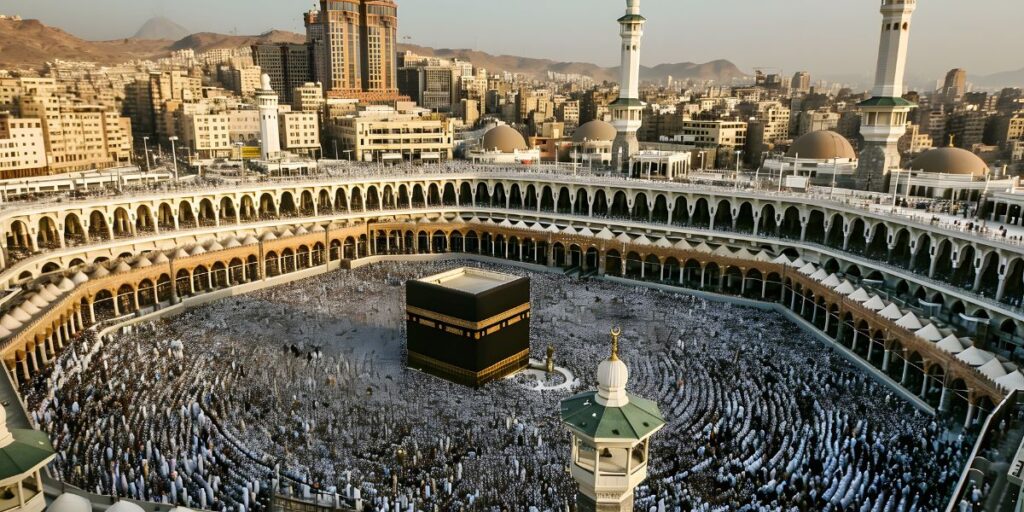
Hajj is not a typical vacation. It requires international travel, adherence to government-regulated services, and participation in fixed ritual schedules that allow minimal flexibility. Without a structured budget, many pilgrims face financial strain before departure or during the sacred journey itself.
Early preparation enables wiser decisions. It provides time to evaluate options calmly, build savings gradually, and select services aligned with personal health requirements and comfort levels.
Let’s understand the estimated Hajj costs for 2026, learn where your money goes, and discuss realistic strategies to manage expenses while keeping your focus on worship.
How Much do Hajj Packages Cost
Several elements shape the final price of any Hajj package. The proximity of hotels to the holy sites plays a major role, as locations closer to Masjid al-Haram command much higher rates. Room configurations matter too, with shared setups in economy options versus more private arrangements in upscale ones. Duration of the trip also drives costs upward, especially with extra nights in Makkah or Madinah, where even reasonable nightly charges accumulate.
Origin country influences airfare significantly, alongside cabin class choices. On top of that, fixed Saudi government levies apply uniformly. All these factors combine to determine how much Hajj packages cost, helping pilgrims form practical expectations early.
Budget Travel Strategies for Pilgrims
Thoughtful preparation makes budget travel for pilgrims realistic without reducing spiritual value. Continue reading to discover practical steps that protect your savings while keeping your focus on worship and reflection throughout the Hajj journey.
Accommodation Choices That Balance Cost and Convenience
Selecting suitable lodging requires honest assessment of physical capability. Hotels positioned two kilometers or more from Masjid al‑Haram cost significantly less than those immediately adjacent. Pilgrims comfortable with walking or using shuttle buses can allocate funds toward other priorities. Many economy packages utilize these moderately distant properties while maintaining cleanliness and basic amenities. Grouping family members or friends into shared rooms further reduces per-person expenses without compromising safety.
Timing Your Booking for Best Value
Package prices follow predictable patterns. Early reservations, ideally 12 to 18 months ahead, secure lower rates and greater availability. As departure dates approach, remaining inventory often carries premium pricing. Pilgrims who plan well in advance also benefit from instalment payment plans offered by reputable operators, making gradual saving practical and reducing last-minute financial pressure.
Transportation without Hidden Costs
Group transport arranged within package agreements represents the most economical method of moving between holy sites. Buses operate on fixed schedules during peak days, eliminating uncertainty and individual taxi fares. Pilgrims who use provided transport consistently avoid the inflated rates charged to spontaneous travelers near Mina and Arafat.
Meal Planning During Hajj
Included meals, particularly during the five core Hajj days, should be utilized fully. Packaged provisions are designed to meet nutritional needs while controlling costs. When purchasing additional food, local eateries slightly removed from Haram perimeters offer authentic cuisine at reasonable prices. Advance purchase of shelf-stable snacks from home also curbs expensive impulse buying.
Shopping Discipline in Holy Cities
Commercial areas surrounding both Harams present abundant shops, but prices reflect tourist demand. Setting a realistic souvenir budget before travel and adhering strictly to it prevents overspending. Meaningful gifts need not be elaborate; small quantities of dates, prayer beads, or Zamzam water carry spiritual significance without straining finances.
Practical and Affordable Hajj Planning Tips
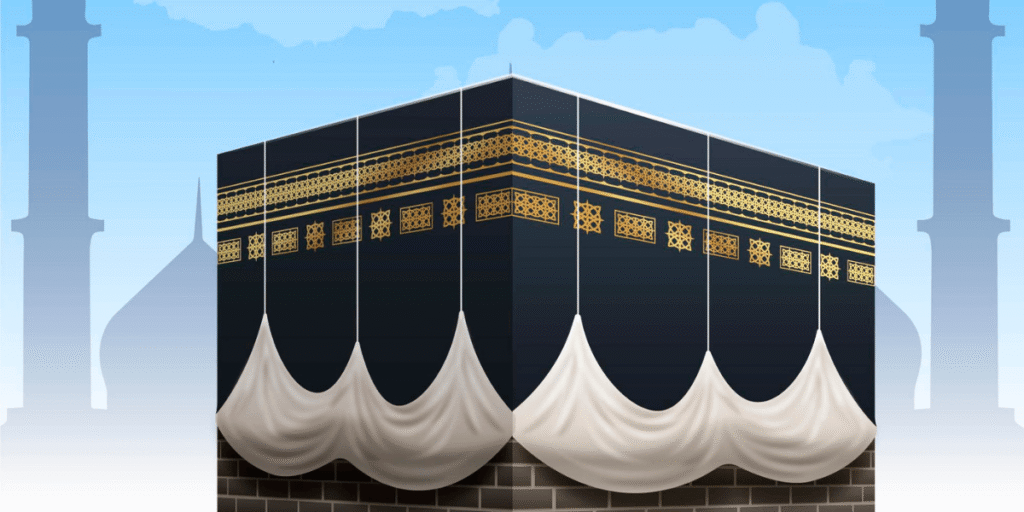
Sustainable financial preparation for Hajj depends on consistent habits rather than last-minute adjustments. Pilgrims who begin saving early, compare offerings systematically, and distinguish genuine requirements from optional comforts position themselves for a tranquil spiritual journey.
- Begin saving at least 12 to 18 months before departure. Gradual contributions reduce pressure and allow better financial control.
- The estimated costs for Hajj 2026 may rise closer to departure dates, which is why early booking is recommended for better value and wider choices.
- Select shared accommodation if health permits. Room sharing significantly lowers package pricing without affecting ritual obligations.
- Choose economy flights and balanced hotel categories. Premium upgrades increase expenses but do not add spiritual benefit. It plays a major role in saving on Hajj travel expenses.
- Limit shopping to essential items and meaningful gifts.
- Carry personal medications and basic necessities. Buying familiar products locally during peak season may cost more.
Pilgrims seeking structured guidance and transparent pricing should consult established providers early. Hajj packages for 2026, offered by Three N Travel & Tourism LLC, feature detailed cost breakdowns, confirmed accommodation contracts, and dedicated ground support. Connect with us today to begin your spiritual journey; thoughtfully planned and financially balanced.
Common Budgeting Mistakes to Avoid
Many pilgrims experience financial stress during Hajj. Small oversights in planning or spending can quickly escalate costs and disrupt the journey. Being aware of common pitfalls allows pilgrims to make informed choices, protect savings, and focus fully on spiritual obligations.
- Skipping Written Confirmations: Paying deposits or booking packages without receiving detailed written confirmation can create confusion about inclusions, dates, and services, potentially leading to unexpected charges.
- Ignoring Refund and Cancellation Policies: Overlooking the terms for cancellations or refunds may result in non-recoverable payments if plans change due to flight delays, medical needs, or other emergencies.
- Underestimating Daily Personal Expenses: Snacks, laundry, communication, and small personal purchases are often overlooked. Accounting for these helps maintain financial control during the pilgrimage.
- Succumbing to Pressure for Upgrades: Accepting hotel or transport upgrades under persuasion rather than necessity inflates overall costs without enhancing the spiritual experience.
- Overlooking Emergency Funds: Not keeping a small reserve for unforeseen situations like minor health issues or travel disruptions can lead to stress and unplanned borrowing.
These steps guide pilgrims toward disciplined, transparent, and cost-conscious planning, supporting both financial security and a focused, meaningful Hajj journey.
Final Thoughts
Hajj is a journey of faith, patience, and preparation. A clear understanding of the estimated costs for Hajj 2026 allows pilgrims to focus on worship with confidence, knowing their financial planning supports a smooth journey. With early planning, honest budgeting, and thoughtful choices, pilgrims can manage costs without stress. A well-planned budget helps create a smoother, more meaningful Hajj experience. If you are seeking support from a reliable Hajj agency in Dubai, reach out to Three N Travel & Tourism LLC for transparent advice, realistic cost guidance, and structured planning for Hajj 2026.